Can Salesforce Show Which Jira or Linear Ticket Actually Fixed a Customer's Case
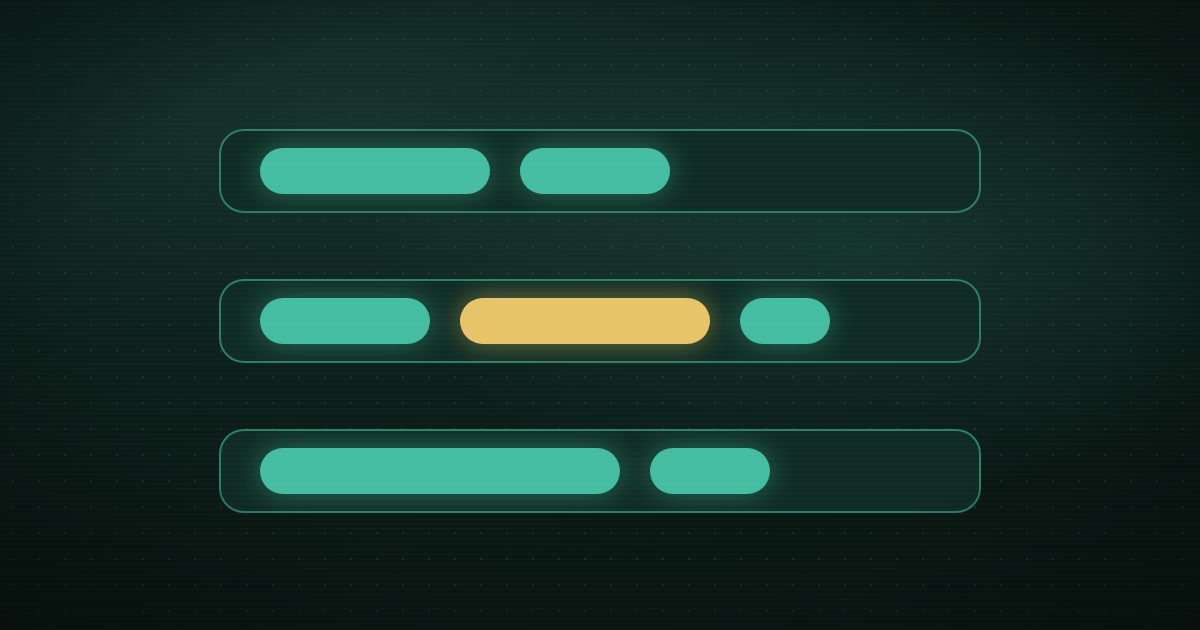
It depends which tracker sits on the other end. If your engineers work in Linear, yes: Linear sells a Salesforce package, installed the same way any Salesforce app is, that adds a component to the case layout showing the linked issue and its current status, live, without anyone leaving the case. If they work in Jira, no native path exists on either side. Atlassian doesn't ship a Salesforce connector and Salesforce doesn't ship a Jira one, so that link runs through a third-party AppExchange app instead of a first-party feature.
That split matters because "can Salesforce show this" and "can a rep see this without asking engineering" are two different questions, and the answer to the second one is more limited than the first suggests even when the tracker is Linear. The link is real, but it's manual, per case, and gated behind a paid plan tier. Here's what each path actually does, and where it stops.
 “we need SSO before rollout”
 “any update on single sign-on?”
 “SSO came up twice on this call”
 Linear issue, quotes attached
 insight report in Notion
What Linear's own Salesforce package actually shows
Linear's Salesforce integration is a first-party product, sold as an add-on to Linear's Enterprise plan, and it works from a component a Salesforce admin drops onto the case page layout. From there a rep does one of two things: click "Create issue" to file a new Linear issue from the case (with an option to pull the case description in automatically), or click "Link issue or project" to search for and attach an existing one.
Once linked, the case shows the issue's status and priority as they change, which Linear's own docs describe plainly: "the linked issue's status and priority are always current." The more useful part for a support rep is what happens on completion. Linear's docs describe an option to "automatically notify your team in Salesforce when an issue linked to a case has been completed or cancelled," and an admin can go one step further: set case reopening to fire automatically, to a case status of their choice, when the linked issue is completed or canceled. That's a configuration a Salesforce admin turns on, not something that happens on its own, and "canceled" isn't "fixed," so a canceled issue can reopen a case with no actual fix behind it.
That's a genuinely native answer to the question, for teams on Linear's Enterprise tier. It's also a manual one. Nothing links a case to an issue on its own; a rep has to search for the right issue and attach it, case by case, which is exactly the step that goes wrong at volume, and the worked example below is what that failure looks like in practice.
Why Jira has no equivalent, and what fills the gap
Jira doesn't have Linear's version of this. Atlassian's own integration catalog has no first-party Salesforce connector, and Salesforce Connect, the platform's native tool for pulling in external data, doesn't reach far enough to help: it can display external records via OData, but as Exalate's own writeup on the gap puts it, Connect "doesn't create Jira issues, sync comments, update statuses bidirectionally, or handle Jira-specific entities like Sprints or Epics." Viewing is as far as the native tool goes.
What fills that gap is a small set of AppExchange apps built specifically for this pairing. Grazitti's Sinergify is one, described in Grazitti's own writeup as "a Salesforce-native, lightning-ready application that ensures a bi-directional information exchange between Salesforce & Jira." Exalate is another, built around the same idea from the opposite side of the pairing. Both work roughly the way Linear's own package does mechanically, a linked record and a status that flows back, but they're third-party software with their own install, licensing, and admin overhead, because nobody at Atlassian or Salesforce built this one for you.
How Farrah Bramwell found the gap at Norwood Metrics
Norwood Metrics sells sensor analytics software to manufacturing plants, runs support through Salesforce Service Cloud, and ships engineering work through Linear. Farrah Bramwell runs support escalations there, and her team has had the Linear case component live on the page layout for about eight months.
Farrah, in a comment on a case: Linked this to ENG-2214, the calibration-drift bug. Status will update here once it ships, so no need to keep pinging engineering on this one.
That works exactly as designed, for the case Farrah linked. What she found three weeks later, going back through a batch of open cases before a QBR, was four more cases describing the same calibration-drift symptom in four different plants' own words, none of them linked to ENG-2214, because none of the four reps who took those cases had thought to search for an existing issue before writing up a fresh one for engineering to triage.
Farrah, in Slack to her team lead: Found the drift bug open on four more cases. Only one was ever linked to the actual ticket, so four customers are sitting there thinking nobody's looked at it, when the fix already shipped two weeks ago.
The Linear component synced status correctly the entire time on the one case Farrah linked. The failure happened earlier in the chain: the other four cases never got a link at all, because creating one means a rep has to search for the matching issue before writing up a new one, and at Norwood's volume, four out of five reps didn't do that search.
Where the case-to-ticket link runs out
Both paths, Linear's native component and a Jira connector app, share the same shape of limit, regardless of which one you're on. Linking is a manual, per-case action: nothing on either side notices that two cases describe the same bug, so a person has to search and attach before a link exists at all, which is the exact step Farrah's team missed four times out of five. That link also stays inside the case it was made on rather than reaching across cases, so a rep working case #4 has no built-in way to see that case #1 already got linked to the fixing issue unless they think to search first, the same gap Case Merge and manual dedupe run into on the Salesforce side alone. And Linear's version only ships for teams paying for Enterprise, so a team on a lower plan is already in Jira-connector territory even when their own tracker is Linear.
None of that makes the native link (or a Jira connector) a bad choice for what it's built for. A support rep who already knows which issue is relevant, and just needs current status without pinging engineering, gets exactly that. The gap is upstream of the link: knowing which of five differently-worded cases are the same bug in the first place.
Where the layer above one-case-to-one-ticket comes in
This is the piece Modem works on. Full disclosure: Modem is also who wrote this guide, so read what follows with that in mind. Modem doesn't add a component to the Salesforce case page, and its Salesforce integration is read-only by design: it syncs accounts, contacts, opportunities, and users into Modem for context, not case content, so it isn't a substitute for either link described above. What it does instead is read the request itself wherever it actually shows up, Slack, a support ticket, a sales call, and group differently-worded reports of the same bug into one counted topic before anyone has to notice the overlap by hand. That topic links to the Linear issue or GitHub PR doing the fix, and when the PR merges, Modem matches it back to the topic and flags who to follow up with, the same job Farrah was doing by hand three weeks after the fact for four cases nobody had connected.
The two approaches solve adjacent problems. Linear's case link (or a Jira connector) keeps one known case current against one known ticket. Modem's job is catching the other four cases before someone has to stumble onto them during QBR prep. For the native build this compares against, see how to track feature requests natively in Salesforce, and for the dedupe problem specifically, how to stop the same request from becoming five separate Salesforce cases.
Before you build around it
If your tracker is Linear and you're on Enterprise, turn the case component on before building anything else, it's a real native feature and there's no reason to route around it. If it's Jira, evaluate Sinergify or Exalate against your case volume rather than building custom automation from scratch. Either way, the question worth asking next isn't whether the link exists; it's how many cases describing the same bug never got attached to it.
